

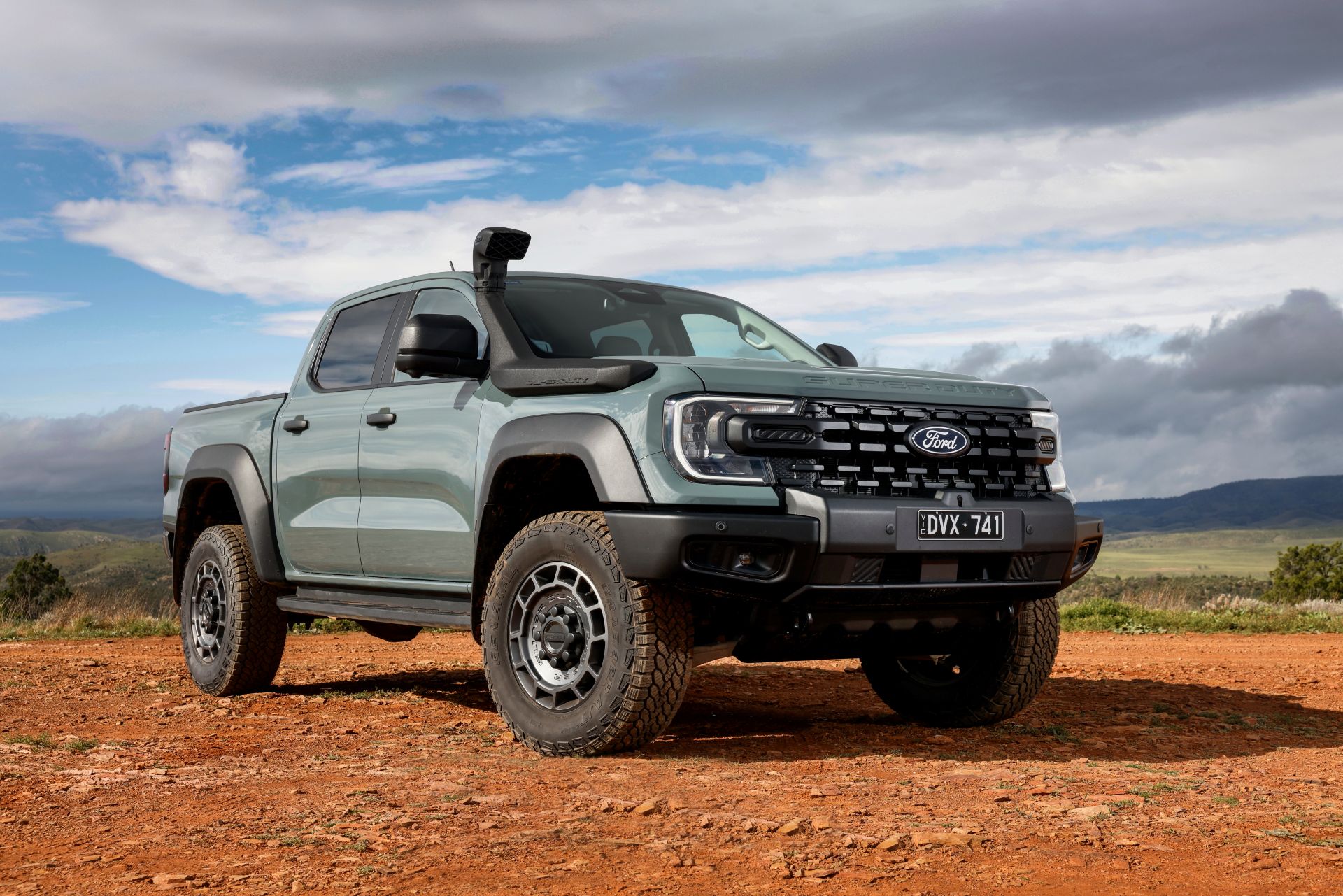
Fleet costs keep rising, and fleet managers are expected to do more with less. One often overlooked source of complexity is running two vehicle classes: pickups for mobility and access, and light trucks for payload and towing.
The Ford Ranger Super Duty is built to close that gap. It pairs heavy-duty capability with the maneuverability of a pickup, so one platform can cover more of your jobs.
The Challenge With Multi-Vehicle Fleets
Many organizations run both pickups and light trucks because each fills a different role.
Pickups are typically used for:
- Field service operations
- Utility and telecom work
- Construction site access
- Remote inspections
Light trucks are deployed when a job needs more carrying, towing or upfitting capability.
That flexibility comes at a cost. Running two classes means:
- Multiple maintenance programs
- Different parts inventories
- Extra driver training
- More complex vehicle allocation
- Higher fleet management overhead
Over time, these inefficiencies erode productivity and uptime.
Ford Ranger Super Duty: Built for Both Jobs
The Ranger Super Duty is engineered to fill the gap between conventional mid-size pickups and light commercial trucks. It is designed for utilities, mining, construction, telecommunications, infrastructure maintenance and emergency response.
The result is a vehicle that handles demanding workloads without forcing operators up to a larger truck platform.
How Ranger Super Duty Compares
| Specification | Ford Ranger Super Duty | Standard Commercial Dual-Cab Pickup | Light Truck Cab-Chassis |
| Gross Vehicle Mass (GVM) | 4,500 kg | 3,200 kg | 4,495 kg |
| Max Braked Towing Capacity | 4,500 kg | 3,500 kg | 3,500 kg |
| Gross Combined Mass (GCM) | 8,000 kg | 6,000 kg | 7,500 kg |
| Wading Depth | 850 mm (factory snorkel) | 600 mm | 450 mm |
| Wheel Configuration | 8-stud heavy-duty axle | 6-stud passenger-duty setup | 5/6-stud dual rear |
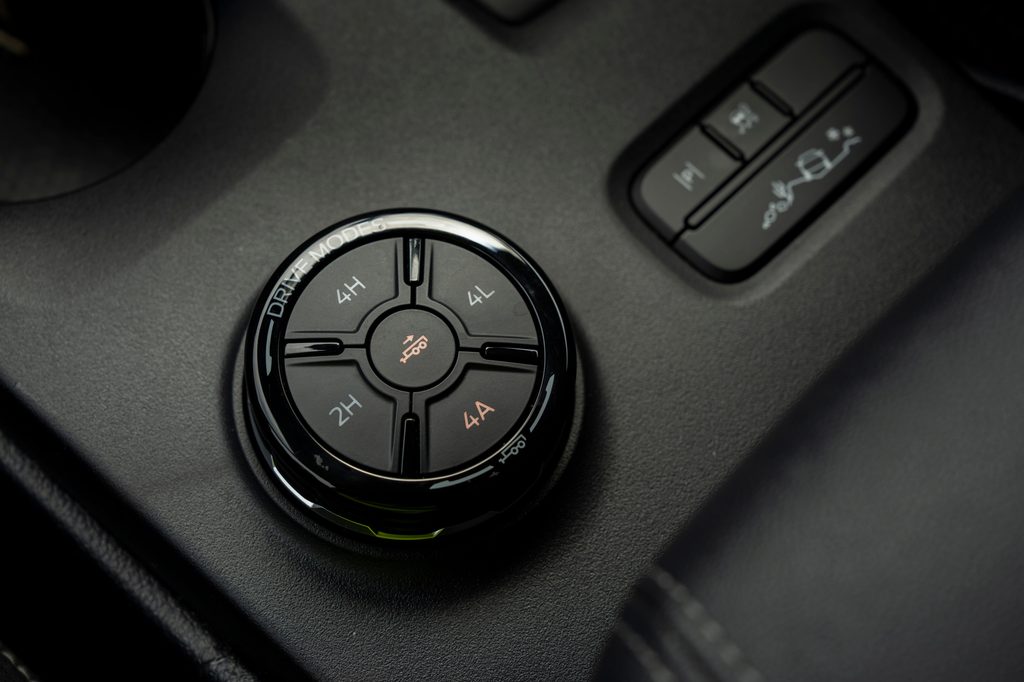
| Off-Road Capability | 4×4 with front and rear locking differentials | Rear locker only | Basic 4×2 or rigid 4×4 |
Comparison columns show typical segment figures; individual models vary. Source: Ford Ranger Super Duty Website Nov 2026
The takeaway: Ranger Super Duty leads on towing, GCM, wading depth and axle rating, and edges the light truck cab-chassis on GVM, while keeping the access of a pickup.
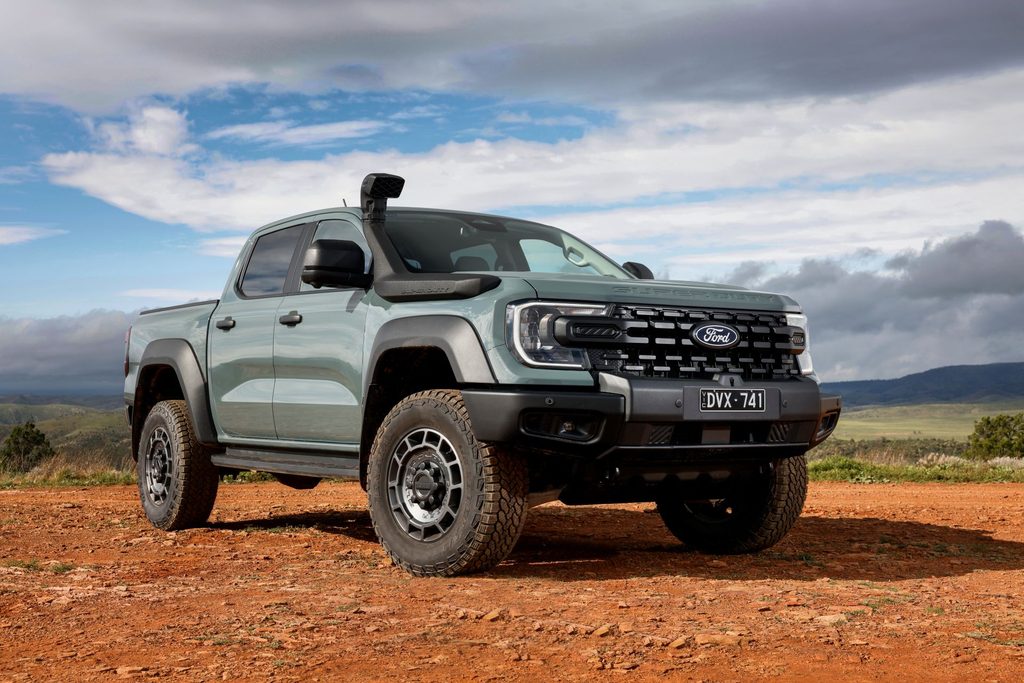
Ford Ranger Super Duty – One vehicle. More possibilities
Higher GVM
At 4,500 kg, Ranger Super Duty’s GVM is well above conventional fleet pickups. That gives you more room for tools, equipment, service bodies and specialized upfits.
More Towing Confidence
Many fleets regularly tow generators, compressors, trailers and machinery. The typical standard dual cabs with a 3,500 kg leave almost zero payload for canopies, bull bars, water, or passengers. With a 4,500 kg maximum braked towing capacity, Ranger Super Duty out-tows the standard pickup and light truck columns in the table above.
Greater Combined Working Capacity
An 8,000 kg GCM lets operators carry substantial loads and still tow strongly, which helps you get more use from every vehicle across a wider range of jobs.
Worksite and Off-Road Access
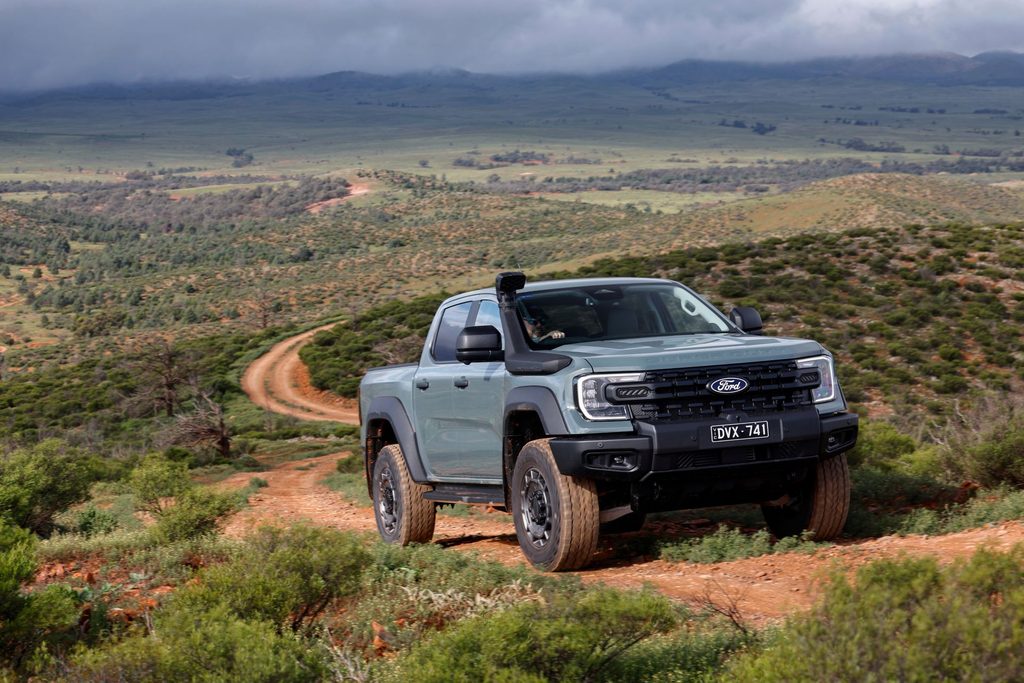
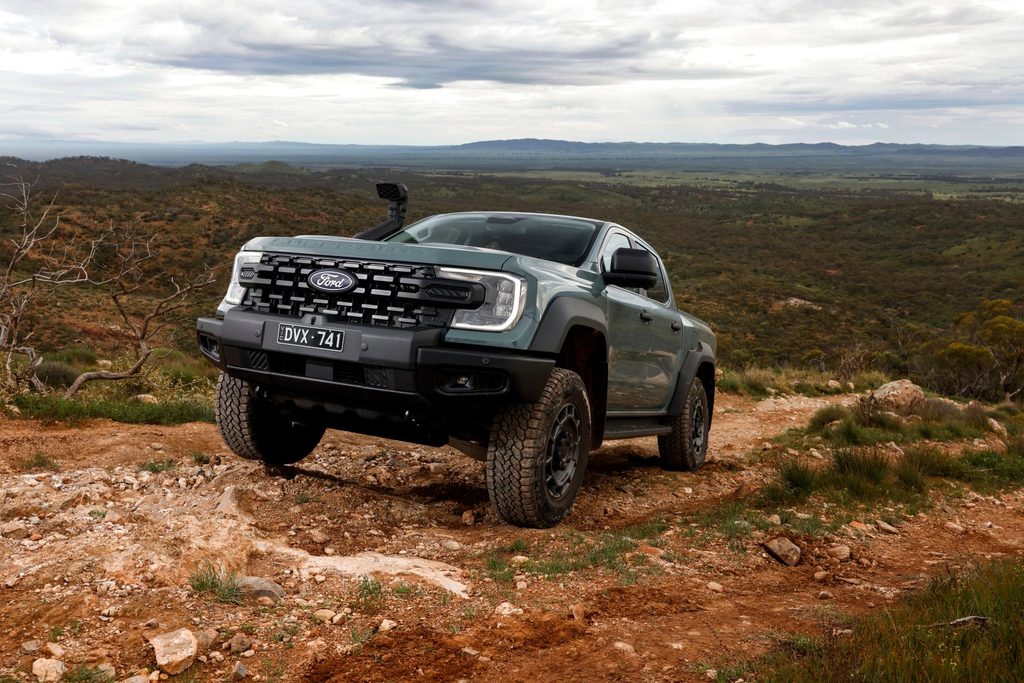
Reaching the job matters as much as carrying the load. Ranger Super Duty brings:
- Full 4×4 capability
- Front and rear locking differentials
- 850 mm wading depth (with snorkel)
- Heavy-duty axle design
That means access to construction sites, utility corridors, remote infrastructure and rough terrain that can stop larger commercial vehicles.
How Fleet Consolidation Cuts Costs and Downtime
Reducing the number of vehicle types in service can deliver real savings. With one platform covering more jobs, you can:
- Simplify maintenance and parts inventory
- Cut driver training requirements
- Make vehicle allocation easier
- Improve utilization across the fleet
By combining truck-grade capability with pickup versatility, Ranger Super Duty helps keep teams productive in more operating conditions.
Request a Fleet Specification Review
Every operation is different. Whether you support utilities, telecommunications, construction, emergency services, mining or field service, the right specification has a direct impact on productivity and uptime.
Request a fleet specification review and discover how Ranger Super Duty can reduce complexity and keep your business moving.
Frequently Asked Questions
Can a pickup replace a light truck?
For many roles, yes. It depends on your heaviest payload, towing and upfit needs. Ranger Super Duty’s 4,500 kg GVM and 4,500 kg braked towing capacity put it in light truck territory while keeping pickup-style access. Check your most demanding jobs against the specifications before consolidating.
What is the Ford Ranger Super Duty’s towing capacity?
Maximum braked towing capacity is 4,500 kg, with a Gross Combined Mass (GCM) of 8,000 kg.
Is the Ranger Super Duty suitable for utilities, mining and construction fleets?
Yes. It is designed for utilities, mining, construction, telecommunications, infrastructure maintenance and emergency response, with front and rear locking differentials and an 850 mm wading depth for difficult sites.
How does fleet consolidation reduce costs?
Fewer vehicle types mean fewer maintenance programs, a smaller parts inventory, less driver training and simpler vehicle allocation, all of which help improve uptime.
Can the Ranger Super Duty carry service bodies and specialized upfits?
Its higher GVM is designed to give businesses more flexibility to carry tools, equipment, service bodies and specialized upfits. Contact us to discuss your specific requirements.