
Every wildfire starts small.
Yet recent events across Europe and Asia have shown how quickly a localized incident can develop into a major emergency. From record-breaking fires in Belgium to large-scale incidents in Germany and elevated seasonal fire activity in Indonesia during El Niño conditions, emergency services are increasingly operating in environments where speed and flexibility can make a meaningful difference.
That reality is driving new conversations around how people, equipment and resources can be deployed more effectively during the critical early stages of an incident.
Across the world, emergency service organizations are increasingly exploring how specialized rapid-response vehicles can complement traditional firefighting fleets and support early intervention strategies.
Why Early Response Matters
Fire professionals have long understood that the first stages of an incident are often the most critical. Research from the U.S. Forest Service shows that a strong and timely “initial attack” can significantly reduce the likelihood of a fire growing into a much larger and more destructive event.
As urban areas continue to expand into bushland and forest interfaces, getting personnel and equipment to an incident quickly is becoming even more important. Unfortunately, traditional fire engines are not always the fastest or most practical solution for every situation, especially in remote areas or narrow access routes.
This is where a new generation of specialized vehicles can play an important supporting role.
Enabling Faster Response
The vehicle platform is becoming an increasingly important part of the solution. Response vehicles need to do more than transport people. They must be capable of carrying specialized equipment, operating in challenging terrain and adapting to the unique needs of different agencies and environments.
Vehicles such as the Ford Ranger Super Duty can provide the capability and flexibility needed to support specialized emergency response applications.
A Foundation for Specialized Response
The Ford Ranger Super Duty was developed with demanding fleet applications in mind, offering the payload, durability and capability required to support a broad range of specialized upfits. These characteristics make it an attractive platform for organizations looking to develop vehicles tailored to specific operational requirements.
Rather than replacing traditional fire trucks, vehicles based on the Ranger Super Duty can complement existing fleets, helping trained personnel and essential equipment reach the scene while larger trucks are still en route.
Its combination of payload, off-road performance and conversion flexibility creates opportunities for applications such as:
- Rapid response fire units
- Grassfire and bushfire support vehicles
- Incident assessment and command vehicles
- Remote area firefighting support
- Community protection and emergency service fleets
Innovation Through Collaboration
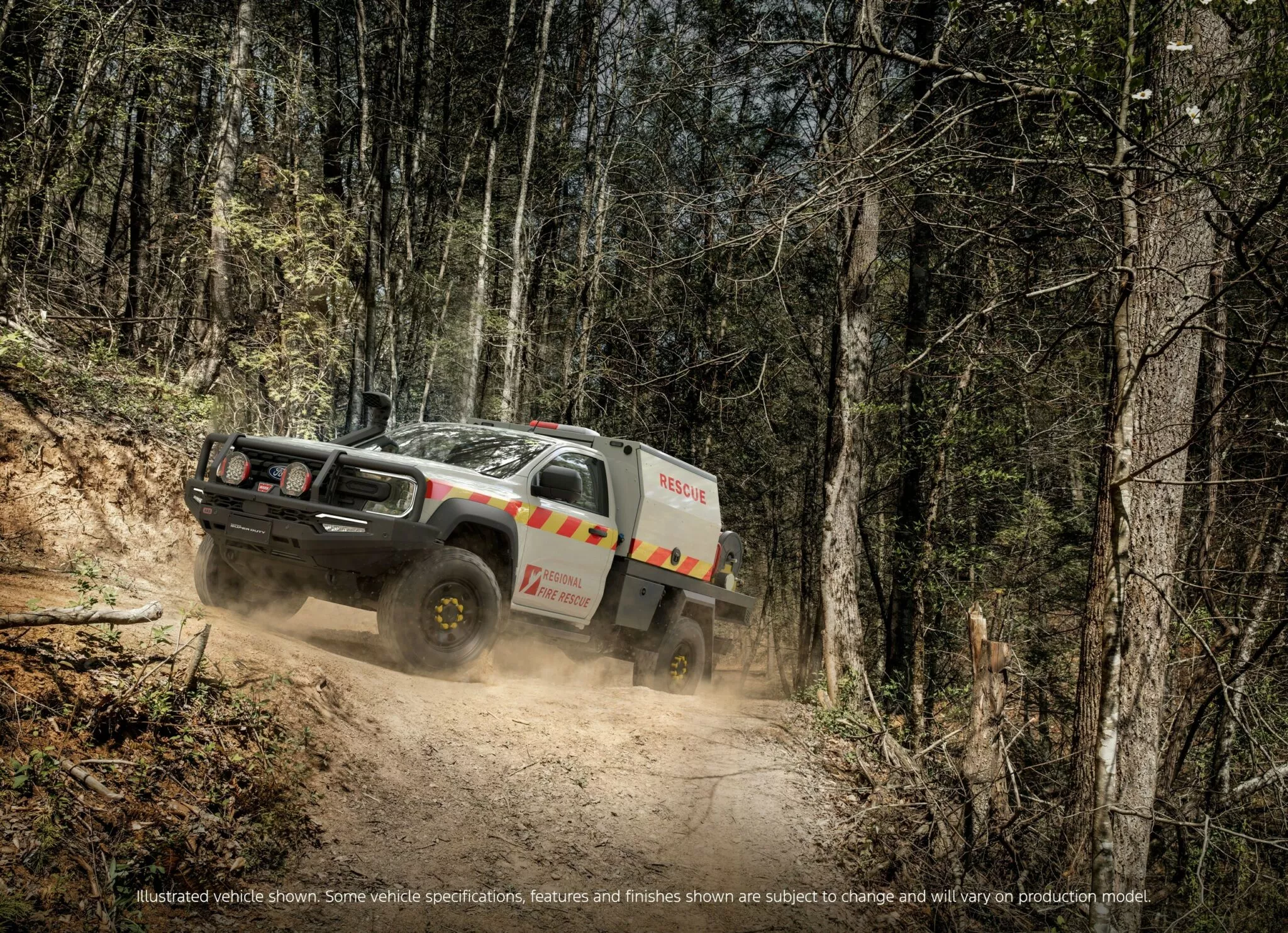
One recent example comes from Australia, where Ford Australia collaborated with Deakin University and industry partners to develop the Ranger Super Duty Fire Response Unit prototype. The project explored how emergency responders could arrive at incidents faster with essential firefighting, communications and first-aid capabilities already onboard.
The concept was developed around a simple but powerful idea: helping trained personnel bridge the critical gap between the moment an emergency is reported and the arrival of larger fire engines.
“We are not trying to replace traditional fire trucks or the firefighters who crew them, but a Ranger Super Duty could carry the equipment needed to manage those critical first few minutes while the cavalry is on its way,” explained Jeremy Welch, Ford Pro Conversion Development Manager during the development of the Fire Response Unit prototype.
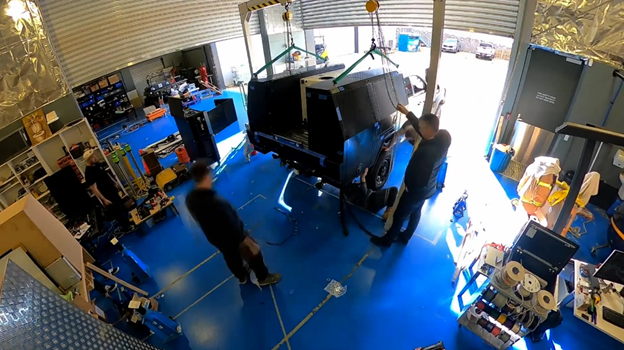
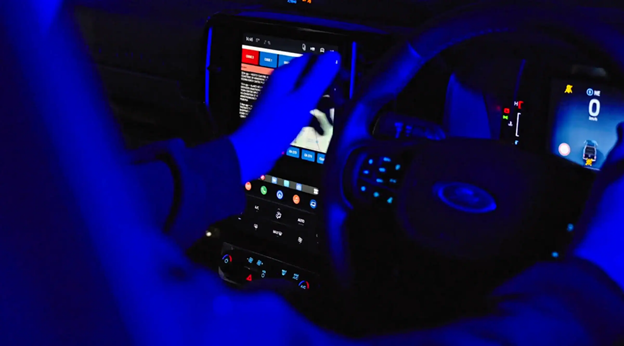
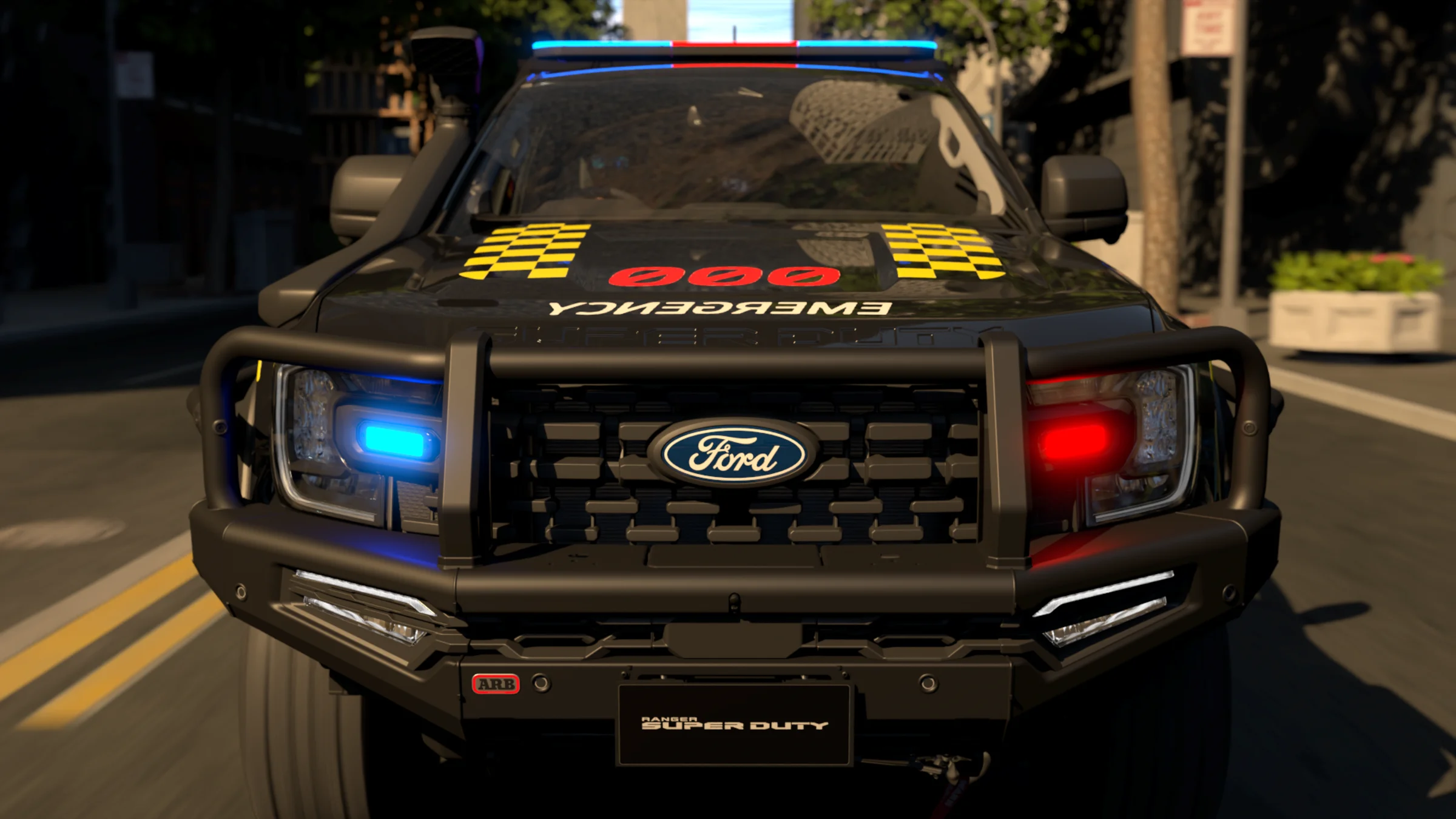
The prototype was equipped with water delivery systems, pumps, communications equipment and emergency response tools while leveraging the Ranger Super Duty’s 4,500kg GVM platform and off-road capability. The additional inverter and charging system installed delivers the electrical output needed to run the pumps directly from the Ranger Super Duty’s electrical architecture. Siren, lighting, and pump controls were integrated directly into the vehicle’s existing 12-inch SYNC 4 infotainment screen, keeping the cabin uncluttered and intuitive.
The project demonstrated how industry, academia and emergency services can work together to explore new ways of improving response effectiveness. The Ranger Super Duty itself has also proven that a tough commercial vehicle platform can be adapted into a specialized emergency fleet vehicle for rapid-response applications.
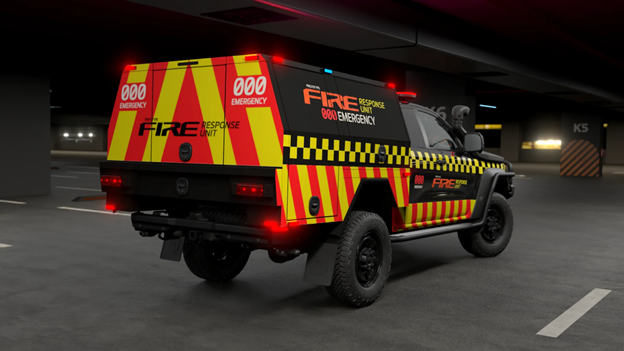
Photo courtesy: Ford From the Road: Meet the Prototype Ford Ranger Super Duty Fire Response Unit
Building Solutions for Tomorrow’s Challenges
Wildfire risk is evolving. Communities are expanding, weather patterns are changing, and emergency services are being asked to do more with greater speed and agility than ever before.
Meeting these challenges will require more than capable vehicles. It will require collaboration between manufacturers, fleet operators, emergency organizations, converters and innovators who understand the unique demands of frontline operations.
The Ranger Super Duty provides a capable foundation for those conversations. Whether supporting rapid-response firefighting units, specialized emergency fleets or future concepts yet to be imagined, its versatility creates opportunities for organizations to design solutions around their unique operational needs.
Let’s Continue the Conversation
As emergency response challenges evolve, so must the solutions that support frontline teams. Organizations exploring specialized fleet applications for firefighting and emergency response are invited to connect with RMA to discuss their operational requirements and future possibilities.
———————————————————–
Further Reading
- U.S. Forest Service: Efficient Initial Attacks: Analysis of Capacity and Funding Provides Insights to Wildfire Protection Planning
- Ford From The Road: Meet the Prototype Ford Ranger Super Duty Fire Response Unit
- Reuters: Germany evacuates about 2,000 people as wildfire reaches western village
- Wildfire Today: Largest wildfire in Belgium’s history triggers explosions, burns over half of nation’s oldest nature preserve
———————————————————–
.
FAQ
What is a rapid-response firefighting vehicle?
A rapid-response firefighting vehicle is a specialized emergency vehicle designed to transport personnel, equipment, communications systems, and initial firefighting resources to an incident quickly. These vehicles are intended to complement traditional fire engines by supporting early intervention and incident assessment.
Can the Ford Ranger Super Duty be used as a firefighting vehicle?
The Ford Ranger Super Duty can serve as a platform for specialized emergency response vehicles, including rapid-response firefighting units. With appropriate upfits and equipment, it can support tasks such as incident assessment, grassfire response, remote-area support, and emergency fleet operations.
Why is rapid response important in wildfire incidents?
Research has shown that early intervention, often referred to as an “initial attack,” can significantly reduce the likelihood of a wildfire growing into a larger and more destructive event. Rapid deployment of personnel and equipment can help emergency services assess risks, begin containment efforts, and support community protection strategies.
What makes the Ford Ranger Super Duty suitable for specialized emergency fleets?
Ford Ranger Super Duty was developed for demanding fleet applications and offers the payload, durability, off-road capability, and flexibility required for specialized upfits.
How can organizations explore specialized firefighting and emergency response vehicle solutions?
Organizations interested in developing specialized firefighting, emergency response, or rapid-response fleet solutions are encouraged to connect with RMA. By working closely with fleet operators, vehicle converters, and industry partners, RMA can help evaluate operational requirements and explore vehicle concepts tailored to specific mission needs.